The curiosity
The best information about clay in this country was written down a century ago by people who drilled holes and recorded what came up: survey bulletins, drill logs, county reports. Almost nobody reads them now. Each one is a treasure hunt if you go in with a question. I wanted to write those hunts down, one per letter, in the order I found things.
What it does
Each issue is one hunt: a question, the search through primary sources, a dead end or two kept in, one earned reveal, and what is still unknown. Primary sources only. Every issue ends with the open questions and a line of sources.
The system
Behind the letter is a newsroom I built to run more than one publication. Each publication has its own voice, its own written editorial rules, its own record of what I liked and did not, and its own account; nothing leaks between them. The rules for this one were developed through my reactions to seven hunt logs and are written down, numbered, with the evidence for each. On a schedule, the runner drafts the next issue from the field notes and the research, checks it against those rules, and leaves it in Substack as a draft. I read it, edit it, and schedule it. It never publishes on its own, and the short notes are mine to write.
Cause and effect
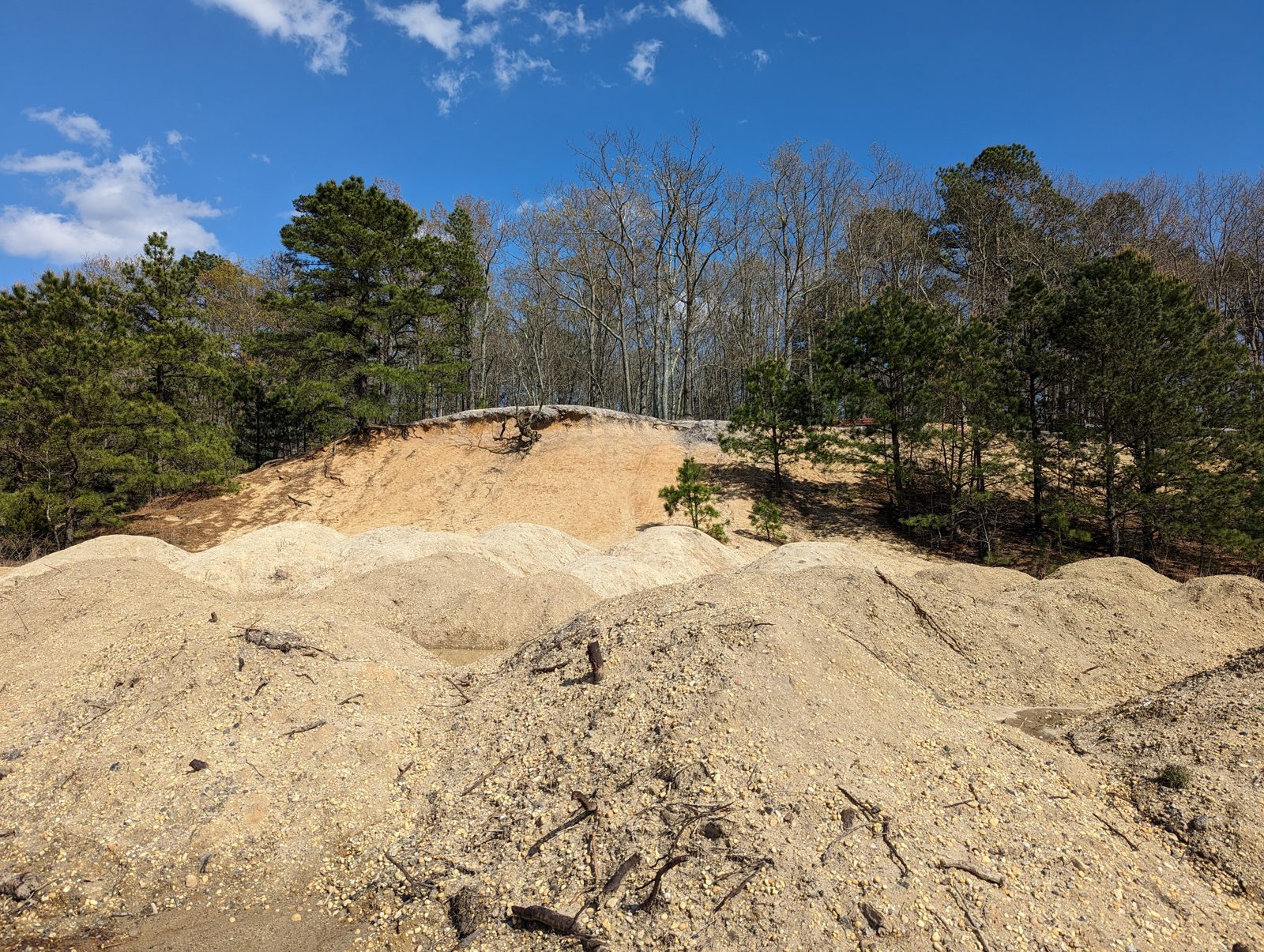
The input was a question, what is the rarest wild clay in Pennsylvania, and one rule: no secondary sources. The output was USGS Bulletin 1558-D, a 1922 survey report, and a lens of white kaolin at Mount Holly Springs that formed from hot water rising through a fault, which is not supposed to happen in Pennsylvania. That became the letter above, and the same ground is on the map.
What changed
A hunt used to end in my notes. Now it ends in a letter, on a schedule, and the ground it describes is on the map. The reading is the same; the carrying is done for me.
Experience it
Read the hunt logs. It is free.